

Partenariat avec la SFAR En 2017, la SFAR et le C2DS avaient co-édité un Guide des pratiques vertueuses en développement durable au bloc opératoire. En septembre 2021, les deux organisations se rapprochent …
The battle against light pollution
Fiche de veille juridique 305 (2021).
Protecting the climate and building resilience
Fiche de veille juridique 304 (2021).
Forward to teleworking
Fiche de veille juridique 303 (2021).
From "5 streams" to "8 streams", sorting non-hazardous waste is evolving
Fiche de veille juridique 302 (2021).
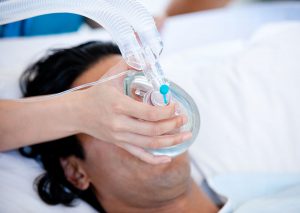
At CH Métropole Savoie, desflurane gas is a thing of the past
The OR teams - doctors and nurses - have done it: desflurane, the most polluting anesthetic gas, has been permanently removed from the hospital's 21 ORs. Three ...

Arthur Ferrero, ophtalmologue chirurgien à la Clinique de l’Union, Toulouse
Qu’est-ce qui a déclenché votre intérêt pour les impacts environnementaux de vos pratiques ? En 2018, je me suis rendu compte que la problématique environnementale en chirurgie était très peu prise …

C2DS launches its sustainable development medical commission
An anaesthetist questions an ophthalmologist, who answers a cardiologist, who questions an oncologist... It took a while for doctors to get into the game, but now some are leading the way...
#1 les bonnes pratiques
La restauration durable du CH Valence (26) Réponse à : « Avez-vous changé vos matériels de restauration en plastique (couverts, barquettes, bols, verres…) par des matériaux en inox ou biosourcés …
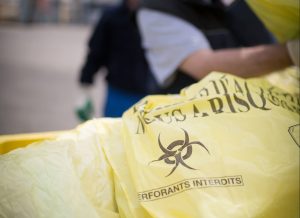
Réduire ses DASRI de 80 %
Entre 2004 et 2018, le CH de Toulon-Hyères a mené une série de mesures qui ont permis de réduire de 80 % la masse de DASRI. Ces déchets à risques …
Gaz anesthésiants : presque 70 000 euros d’économie par an pour le CH de Monaco
Le nombre d’actes d’anesthésie augmente : en 2018, environ 11 millions anesthésies étaient réalisées en France. 70 % de ces anesthésies générales, locales ou locorégionales sont réalisées avec des gaz halogénés …
Commuting to work
Fiche de veille juridique 301 (2021).
Public consultation: ban on the installation of oil-fired boilers
Draft decree prohibiting the installation of heating and domestic hot water systems that mainly consume fuels with high levels of greenhouse gas emissions.
Public consultation: postponement of data submission (for tertiary decree)
Regulations Decree amending decree no. 2019-771 of July 23, 2019 on obligations to reduce energy consumption in commercial buildings To take part in the consultation, click ...
Public consultation: State aid for the environment, climate and energy
Regulations Public consultation on revised guidelines for climate, energy and environmental aid (CEEAG) To take part in the consultation, click here: https://ec.europa.eu/competition-policy/public-consultations/2021-ceeag_en Summary The ...
Eco-designing daily hygiene and comfort care for stroke patients
In 2019, the Centre Hospitalier Paul Coste Floret in Lamalou-les-Bains (34) launched a care eco-design project. "This innovative project is part of a global approach within our hospital....
Act to improve the healthcare system through trust and simplification
Fiche de veille juridique 300 (2021).
New European regulation on medical devices comes into force
Fiche de veille juridique 299 (2021).
Sondage : gestion des Déchets d’Activités de Soins à Risques Infectieux avec Electronique (DASRIe)
L’éco-organisme DASTRI, agréé par les ministères de la Santé et de l’Environnement, identifie les enjeux et les besoins des établissements sanitaires concernant la gestion des Déchets d’Activités de Soins à Risques Infectieux avec Electronique (DASRIe).
90 % des professionnels de santé et de la dépendance aspirent à des établissements exemplaires
1 350 professionnels de santé et de la dépendance ont répondu à l’édition 2021 du sondage « Demain, quel système de santé voulez-vous ? ». Une volonté d’agir qui se …