
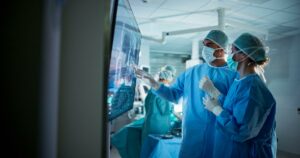
À la clinique Juge, les référentes RSE ont réussi à se débarrasser des gaz anesthésiants les plus polluants et à diminuer de 90% le volume des Dasri.

La Clinique Saint-Roch de Cambrai : pionnière du soin éco-responsable
Longtemps citée comme l’un des rares établissements français à avoir dépassé les objectifs des accords de Paris, la clinique continue de tracer la voie d’un modèle de soins plus vertueux.
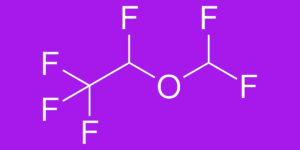
No more polluting gases
In 2022, the Drôme-Ardèche private hospital put an end to the use of polluting gases in anaesthesia. Thanks to a powerful communication campaign, the move went like clockwork.

PUI deploys environmentally-friendly, cost-effective actions
Optimization of intervention kits, replacement of single-use outfits, alternatives to drugs that generate the most waste... at the PUI de Versailles, actions in favor of sustainable development are multiplying, with real economies of scale at the end of the day.
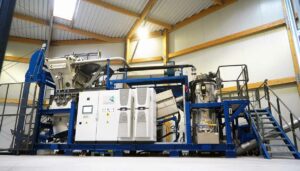
Waste: Valenciennes Hospital takes stock of its banalizer
Two and a half years ago, Valenciennes Hospital installed a waste banalizer. The health crisis and the ever-increasing costs of treating DASRI motivated this installation.

An innovative project for eco-responsible prescribing
The PEPA (Prescription Écoresponsable des Produits Anticoagulants) project aims to reduce the carbon footprint of anticoagulants.

Nice University Hospital and its commitment to sustainable printing
Gilles Lombard, head of the reprographics department, explains the actions taken by Nice University Hospital to reduce its environmental impact.
François Berthou Dialysis Centre: pioneer of the Passivhaus label in France
The François Berthou Dialysis Center, managed by the Artic 42 association, recently obtained the Passivhaus label.

Arnaud Grzesiczak: towards HAS V2023 Certification
Share your experience of the Haute Autorité de Santé (HAS) V2023 certification during a meeting of the C2DS quality club.

At Clermont-Ferrand University Hospital maternity hospital, single use is not systematic
The facility has decided to switch to reusable medical devices for vaginal delivery packs. It took the team a year to implement the project, following a comparative study based on three pillars: economic, environmental and social.